Mary O'Hara
AUGUST 2019 NEWS UPDATES:
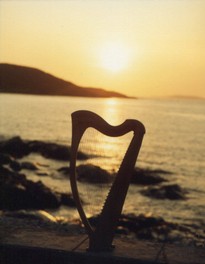
including the publication of John Misto's play based on Mary's bestselling autobiography can be found by clicking on the harp below:
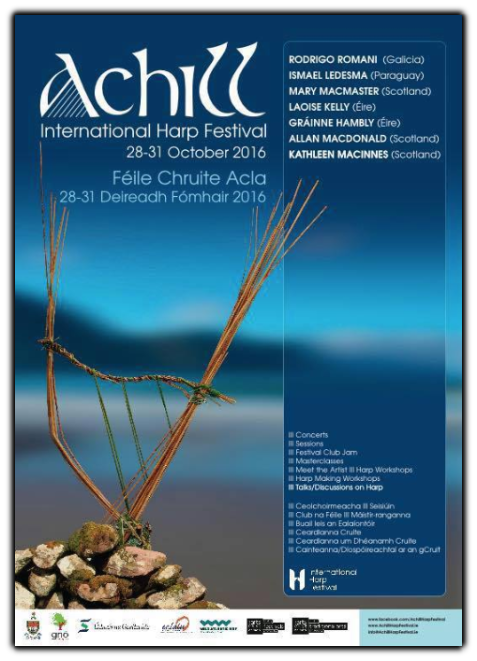
ON 30TH OCTOBER 2016 MARY O'HARA IS TO BE HONOURED WITH A LIFETIME ACHIEVEMENT AWARD
Achill International Harp Festival, in conjunction with Harp Ireland-Fóram Cruite na hÉireann, will present legendary soprano and harpist Mary O’Hara with a lifetime achievement award for her outstanding career and promotion of the Irish harp around the world
Achill Island will be alive and buzzing with the rich and vibrant sounds of harps from around the world over the October 2016 Bank Holiday weekend. The inaugural Achill International Harp Festival aligns itself with ancient harping traditions by gathering harpers at Samhain to explore, develop, and perhaps challenge this beautiful musical form. The festival will not only celebrate the harp as the national instrument and national emblem of Ireland, it will also showcase the instrument in its international context, with harpers from other parts of Europe and South America. Visitors will be able to experience the best of music and be immersed in the culturally rich and beautiful surroundings of the island situated on the Wild Atlantic Way
For full details (including time and venue of Mary's award presentation) visit the official AIHF website by clicking here
View the festival brochure by clicking here
Read the article about the AIHF in the September 30th 2016 edition of the Mayo Advertiser by clicking here
Read the article about Mary's award in The Journal of Music by clicking here
;)
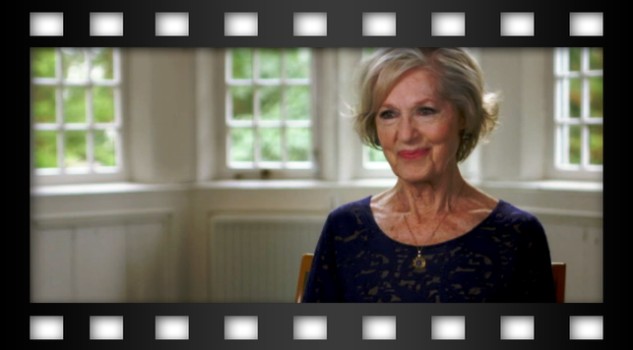
latest news! - another chance to watch the
MARY O'HARA tv documentary
when it airs again on TG4 tv
wednesday 4th march 2015 - 9:30pm
From her early days in Sligo to her current home on the Aran Islands, this one hour documentary tells the remarkable story of harpist and singer, Mary O'Hara who for many years was Ireland's greatest music export. She performed at Carnegie Hall and in the Sydney Opera House, had her own BBC series and appeared on The Ed Sullivan Show. And then, with the world at her feet, she gave it all up. 12 years later she returned from obscurity, rose to the top of her game again, and then gave it all up for a second time. This one hour documentary tells Mary's remarkable story, in her own words

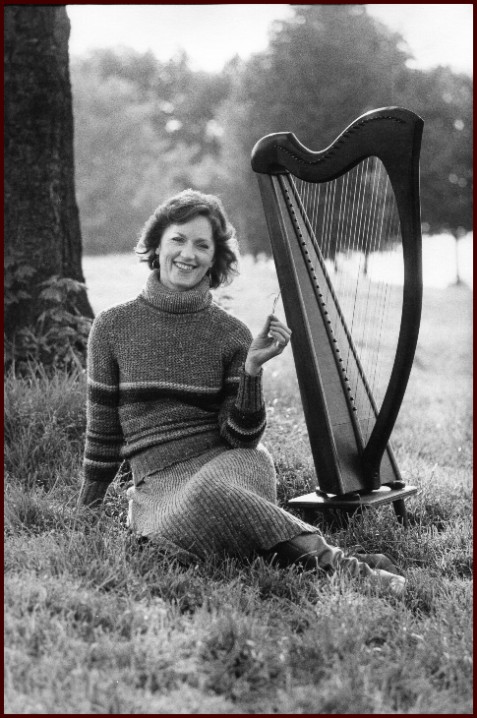
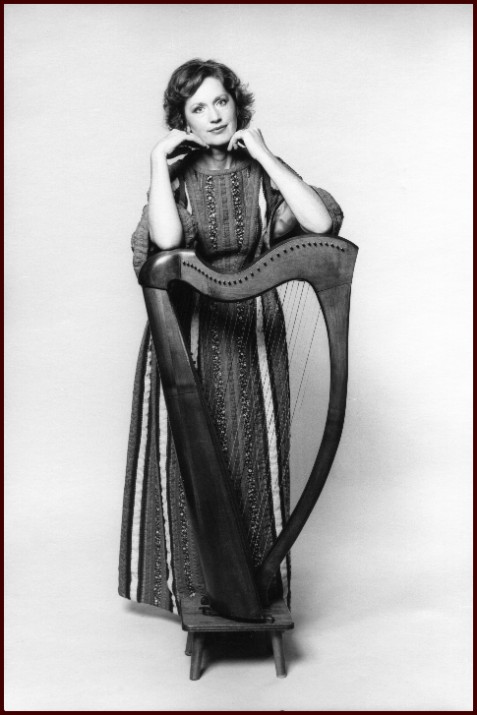
For the latest news and information on Mary O'Hara please click on the image below:
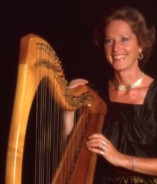
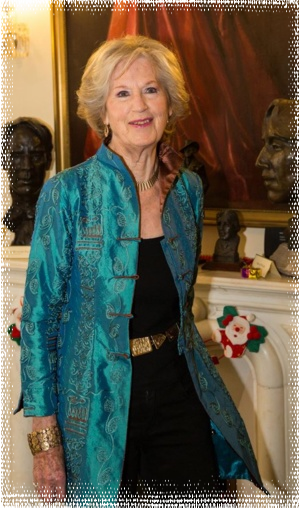
Mary O'Hara photographed at the Princess Grace Irish Library, Monaco on the 17th Dec 2013 where she gave a talk and multi-media presentation about her life and work
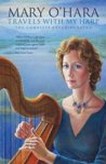
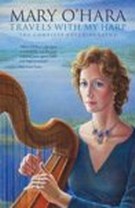
Mary's latest book entitled 'Travels With My Harp - The Complete Autobiography' is now available. For details of the book please click on the book cover image below: